Most men and women take their beautiful mane for granted until they begin to lose hair a little too often. Experiencing hair loss can be quite alarming and while it affects both genders, it is more commonly seen to affect more men than women. Before we begin to understand the procedure for men’s hair transplant or the procedure for hair transplantation in women, you should know when to seek help, and how to prevent hair loss in the first place.
Daily hair loss is extremely common and if you are losing hair anywhere between the ranges of 85 to 100 a day, it is no cause for worry. However, if you experience both hair loss and hair thinning for a prolonged period, you need to visit a trichologist – hair care specialist – who will guide you with hair care tips and treatments before the condition worsens. To prevent hair loss or hair thinning at your end, ensure you stay away from chemical treatments and heat styling tools so as to avoid weakening of your hair follicles.
There are other such external factors that sometimes cannot be controlled such as pollution, stress, and even family history. Therefore, if you are affected with severe hair loss, getting hair transplants is the next best option for you. So, let’s take a look at what entails a hair transplant procedure, expectations and time for recovery, and even risks involved in hair transplant surgery.
Hair Transplant Procedure
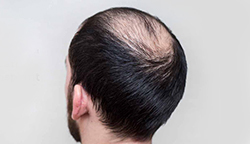 Essentially, a hair transplant procedure is a type of surgery that uproots or moves hair you already have to reattach in an area with thin or no hair. In men, the hair implant procedure is easier to execute because in most cases a healthy donor site can be found. However, hair transplant for women can be tricky as almost all donor sites are usually damaged.
Hair transplant techniques have evolved over the years and today it is a less risky procedure.
During the hair transplant surgery, the doctor or surgeon cleans your scalp and injects a numbing lotion at the back of your head. There are usually two hair transplantation methods: Follicular Unit Strip Surgery (FUSS) or Follicular Unit Extraction (FUE).
The strip of removed scalp is divided into 500 to 2,000 tiny grafts, each with a few hairs. The number and type of graft depends on several factors such as your hair type, quality, hair color, and the size of the area where you are getting the transplant done.
Again, depending on the size of the transplant, the entire procedure will take about 4 to 8 hours. If you continue to lose hair or want thicker hair, you might need another procedure in the future.
Expectations And Recovery After Hair Transplant
 Right after a hair transplant surgery, the scalp is very tender which is why pain medications are prescribed for a few days along with an antibiotic or anti-inflammatory tablet. Your scalp is even kept bandaged for a day or two. Most people can return to work 2 to 5 days after the surgical procedure but consult your doctor before you do.
The transplanted hair fall out within 2 to 3 weeks after surgery and you will notice new hair growth within a few months itself. Most people get to see 60% of new hair growth just after 6 to 9 months.
Risks Of Hair Transplant Surgery
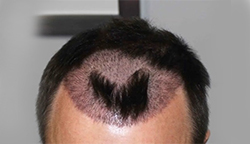 Similar to any other surgical procedure, hair transplants too has its risks. These risks can include anything from bleeding and infection to scarring and unnatural-looking new hair growth.
There is a possibility of inflammation or infection of the hair follicles called folliculitis when new hair starts to grow. Antibiotics can help relieve the problem to a certain extent.
Ideally, before you opt for any surgical procedure such as hair transplant, talk with your doctor regarding the risks as well as the benefits you’re likely to get from the surgery. This conversation with your doctor will help you decide if it is a good option for you and whether you should go through with it. In case you are unsure about the procedure or wish to know more about it, you can get in touch with an expert dermatologist or trichologist near you at the Skin & Hair Academy. For more articles on skin care and hair care, visit.