Quick facts
- Psoriasis is a chronic autoimmune disease.
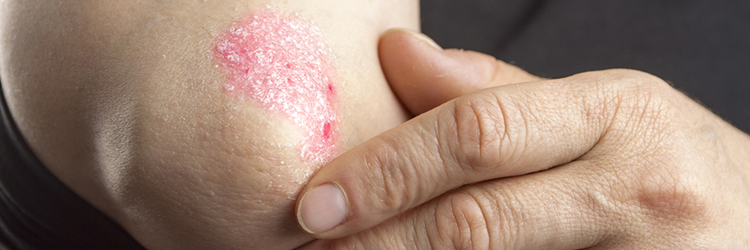
- It causes red, scaly patches on the skin.
- It has five types – plaque, guttate, inverse, pustular and erythrodermic.
- There is no cure and the treatment is symptomatic.
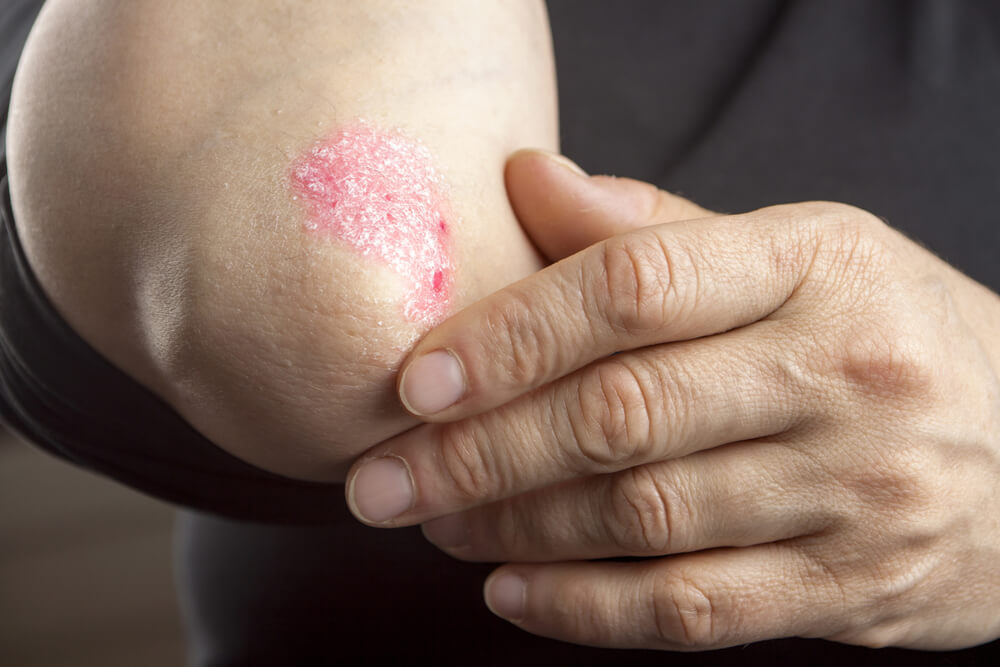 No one has ‘perfect’ skin’, not even Kim Kardashian! One of the most followed celebrities on social media platforms, Kim Kardashian shocked the world when she revealed that she has psoriasis. She said: “I have psoriasis, there is nothing I can do about it so there is no reason why I should feel uncomfortable.”
Psoriasis is more than just an unsightly, itchy rash and no doubt managing psoriasis is a challenge. Making a few changes in diet is one of the ways to keep the skin disease under control, avoid flare ups and to fight it out.
A healthful, well-rounded diet
 According to a study published in the Journal of the American Academy of Dermatology, a higher body mass index (BMI) can increase the severity of the disease. It is also believed that a healthy diet can result in a reduction in systemic inflammation.
A healthful diet comprises fruits, vegetables, whole grains, low-fat dairy products, lean meats, poultry, fish, beans; avoid trans fats, limit cholesterol and salt intake and avoid refined sugars and processed foods.
Nutrients you need

- Vitamin D: Those with psoriasis have lower levels of vitamin D. If you are low in this vitamin, your immune system doesn’t get enough support to work effectively. Ask your doctor if there is a need for a vitamin supplement .
- Fish oil: Fish oil can reduce inflammation; as a result you will feel less itchy and plaques will be less red. Eating fish such as salmon, tuna, or mackerel once a week can be an alternative to fish oil.
Foods that cause flare-ups
- Fatty foods: Fats associated with high cholesterol levels is a strict no-no. Also prevent weight gain and keep a check on diabetes and heart disease, recommends The National Psoriasis Foundation.
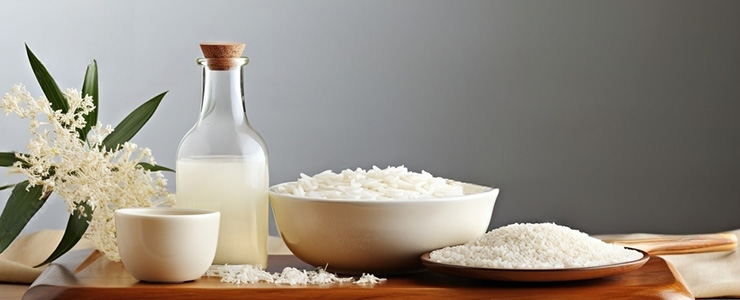
- Whole milk: Rich amounts of saturated fat can interfere with the skin condition, suggests the University of Maryland Medical Center. If milk products seem to make your symptoms worse, swap it for non-dairy equivalents.
- Added sugars: According to the National Psoriasis Foundation, cutting back on added sugars is quite helpful for managing your symptoms .